In an age where climate change and environmental degradation are pressing concerns, the development of sustainable technologies has become a critical focus. The goal is to create solutions that not only address the needs of the present without compromising the ability of future generations to meet theirs but also ensure that these solutions perform efficiently and effectively.
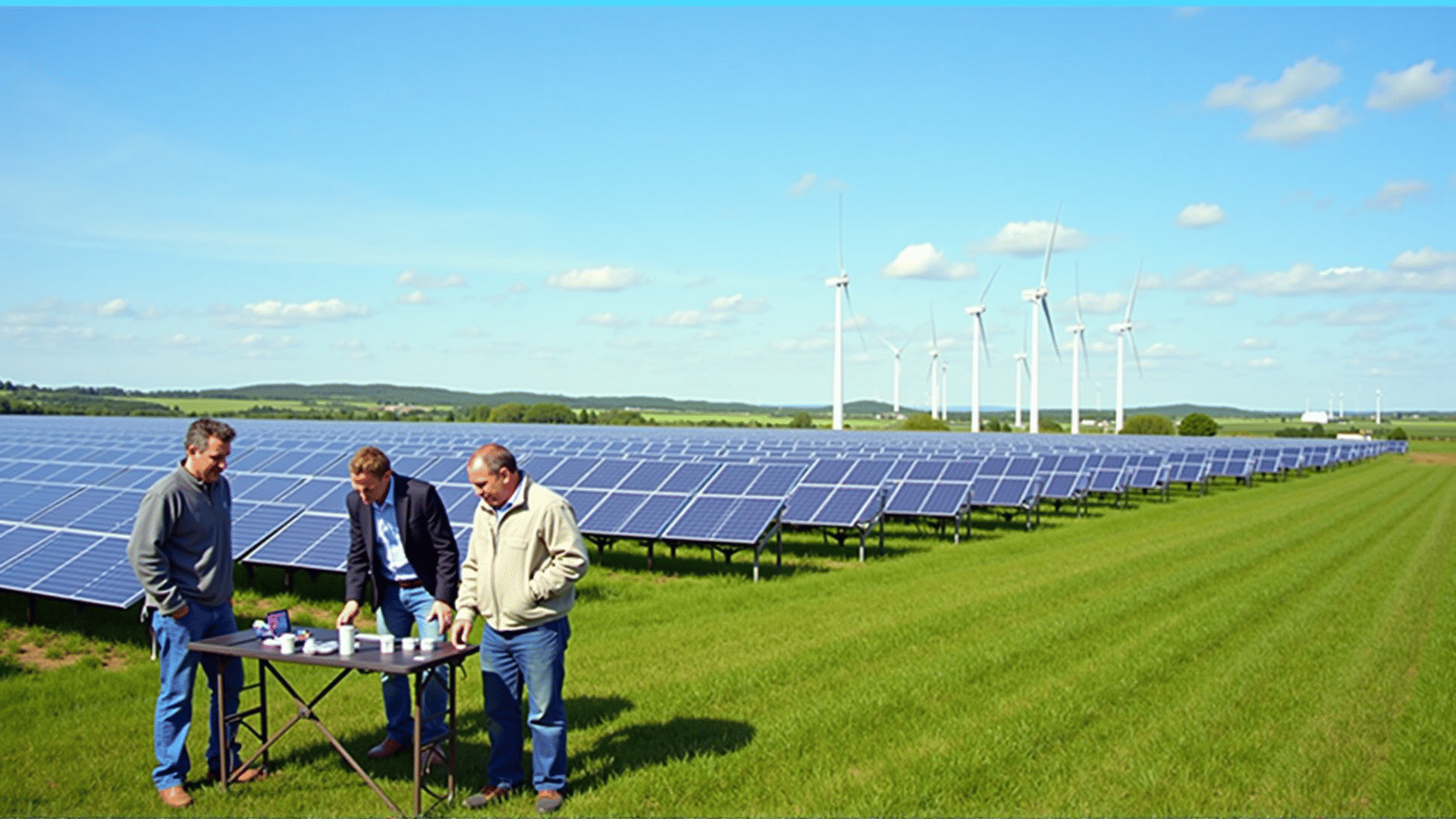
One of the key areas in sustainable technology is energy production. Traditional fossil fuels have long been the primary source of global energy, but their environmental impact is increasingly a cause for concern. In response, renewable energy sources such as solar, wind, and hydropower have gained prominence. These technologies harness natural processes that produce energy with minimal environmental footprint. Advances in solar panel efficiency, for example, have greatly increased their performance, making them a viable alternative to conventional energy sources.
Another vital aspect of sustainable technology is in transportation. The development of electric vehicles (EVs) has revolutionized the automotive industry. These vehicles produce zero emissions and are becoming more efficient with advancements in battery technology, such as lithium-ion and solid-state batteries. Charging infrastructure is also expanding, making EVs more accessible and practical for everyday use. The growing adoption of EVs demonstrates that sustainability does not mean sacrificing performance or convenience.
In construction and manufacturing, sustainable technologies are making significant strides. Green building materials and techniques are being developed to reduce environmental impact while enhancing building performance. Innovations like 3D printing in construction and the use of recycled materials not only lessen waste but also improve the durability and energy efficiency of buildings. In manufacturing, processes are being optimized to reduce energy consumption and waste, utilizing methods such as circular economy models where products are designed with their end-of-life disassembly and reuse in mind.
Agriculture also plays a crucial role in sustainable technology. Precision farming techniques use data analytics, sensors, and satellite technology to optimize water usage, minimize pesticides, and enhance crop yield. These innovations help to ensure that food production is both sustainable and efficient, addressing food security concerns without depleting natural resources.
Water purification and waste management technologies have also seen transformative changes. Solutions such as advanced filtration systems, biodegradable materials, and smart waste sorting facilities are reducing pollution and conserving resources. By transforming waste into a valuable resource, these technologies contribute to a circular economy, demonstrating that efficiency and sustainability can go hand in hand.
The advancement of sustainable technologies represents a convergence of environmental responsibility and cutting-edge innovation. Companies and governments are recognizing that long-term economic success is inextricably linked to sustainable practices. As these technologies continue to evolve, they will play a pivotal role in building a cleaner, more sustainable future. In prioritizing environmental health without compromising performance, sustainable technologies not only promise to mitigate the damage of the past but crucially shape a more resilient future.